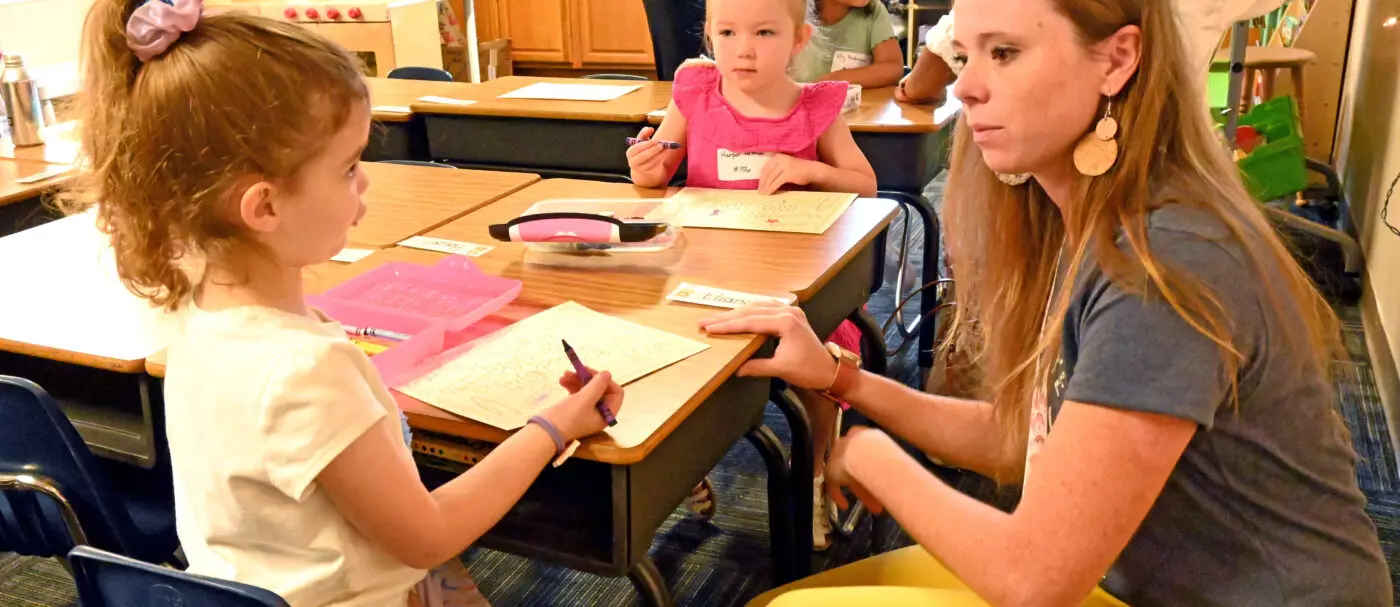
Making the decision to move your child from public to private school isn’t simple. Parents often weigh academic goals, social considerations, financial commitments, and family values before taking the next step.
For many Christian families, the decision goes beyond academics alone. They want an educational environment that reinforces the biblical truths taught at home while preparing their children for future success.
If you’re considering moving from public to private school, it’s helpful to understand what changes you can realistically expect. While every school is different, families discover that the transition affects much more than classroom instruction.
Why Families Choose to Move From Public to Private School
Every family’s reasons are unique. Some parents are looking for stronger academic opportunities, while others are searching for a school culture that aligns more closely with their values.
Many families begin exploring private education when they realize that education isn’t value-neutral. The ideas, beliefs, and assumptions students encounter each day shape how they understand the world.
For Christian parents, finding a school that supports both intellectual growth and spiritual development becomes a significant priority. They want their children to learn in an environment where their Christian faith isn’t separated from learning but integrated throughout it.
Others are drawn to the sense of community found within private schools. Strong relationships among students, teachers, administrators, and parents creates a connected educational experience.
What Changes Should Parents Expect Academically?
One of the first differences families notice after switching from public school to private school is the academic environment. Expectations, teaching methods, and classroom dynamics look different than what students previously experienced.
Smaller Class Sizes and Individualized Attention
Private schools maintain smaller class sizes than public schools. This allows teachers to know their students personally and provide tutorial support.
Students who need additional encouragement benefit from closer teacher relationships. Likewise, students, who excel academically, receive opportunities to be challenged and stretched further.
Smaller classes also encourage greater participation. Students are more engaged because teachers have more opportunities to involve each child in discussions and classroom activities.
Increased Academic Expectations
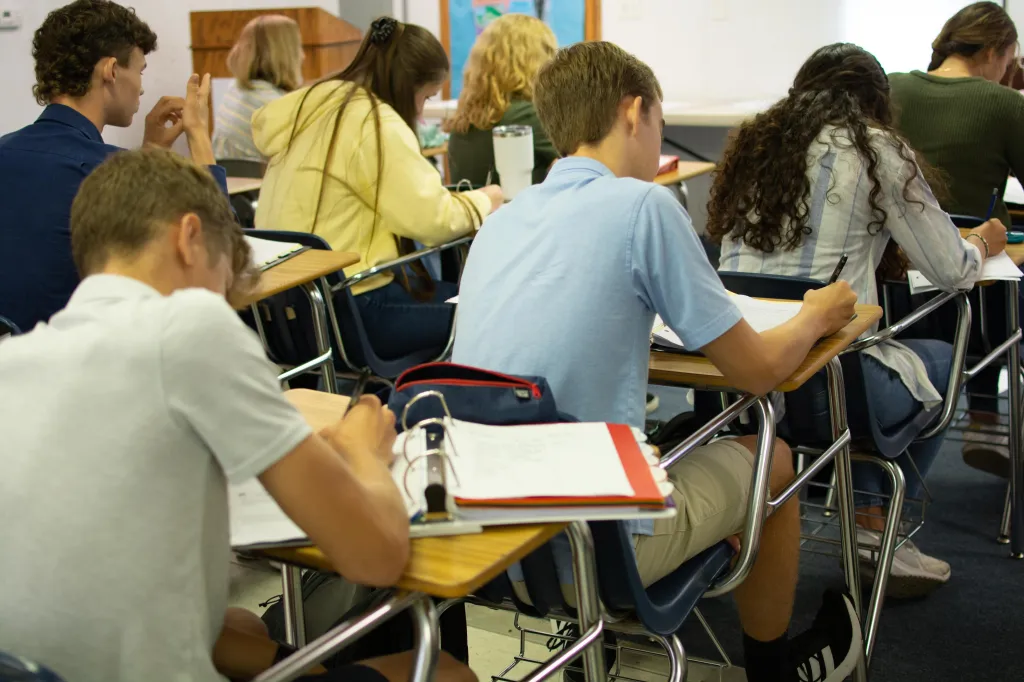
Families discover that private schools hold students to more rigorous academic standards. Assignments require more critical thinking, writing, discussion, and independent responsibility.
This doesn’t necessarily mean the work is harder in every situation. Rather, students are expected to take greater ownership of their learning and develop stronger study habits.
At StoneBridge School, academic excellence is rooted in a commitment to truth. Students are challenged not only to master information, but also to think carefully, communicate clearly, and apply wisdom in their studies.
A Different Approach to Learning
Many Christian private schools approach education differently than traditional public schools. The goal extends beyond preparing students for tests or graduation requirements.
Instead, learning is viewed as part of a larger process of developing wisdom, character, and discernment. Students are encouraged to understand what is true and why it’s true.
StoneBridge’s Biblical Principle Approach® integrates biblical truth into every subject. This helps students connect academic content to a broader understanding of God’s design and purpose.
What Changes Should Parents Expect Socially?
Academic changes are important, but the social transition matters just as much. Parents naturally want to know how their child will adapt to a new environment and build new relationships.
Building New Friendships
Changing schools can feel intimidating at first. Students leave behind familiar classmates and routines while stepping into an entirely new community.
Fortunately, many private schools place a strong emphasis on welcoming new students. Teachers and staff work intentionally to help students feel connected and supported during the adjustment period.
Friendships typically develop through classroom interactions, extracurricular activities, athletics, and shared experiences. Over time, many students find that the transition becomes easier than they initially expected.
A Stronger Sense of Community
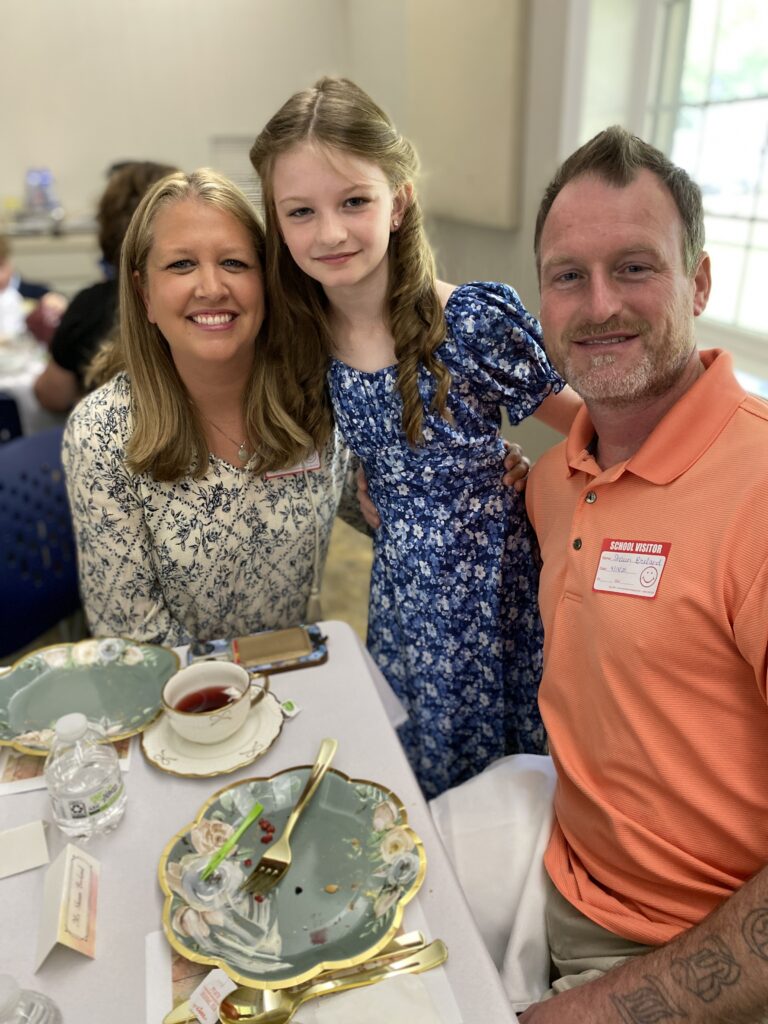
One of the most commonly cited benefits of private school is the close-knit community environment. Families appreciate the opportunity to build relationships with other parents who share similar values and priorities.
These connections create meaningful support systems both inside and outside the classroom. Parents find themselves surrounded by families who are invested in similar educational and spiritual goals.
At StoneBridge, education is viewed as a partnership between school and home. This collaborative approach creates consistency and mutual support for student growth.
Greater Parent Involvement
Parents also notice more opportunities to participate in school life. Many private schools encourage active communication and engagement between educators and families.
This partnership helps parents stay informed about academic progress, character development, and classroom experiences. It reinforces shared expectations between home and school as well. For many families, this sense of involvement becomes one of the most valuable aspects of the private school experience.
What Changes Should Parents Expect Spiritually?
For Christian families, spiritual formation is often one of the primary motivations for making the transition. This area represents the most significant difference between public and Christian private education.
In a Christian private school, faith is not limited to a Bible class or weekly chapel service. Instead, biblical truth is woven throughout the educational experience.
Teachers help students understand how Scripture relates to history, literature, science, government, and everyday life. Learning becomes an opportunity to explore God’s truth across every subject.
This approach allows students to see that faith is relevant to all areas of knowledge and experience.
Biblical Worldview Development
Every school teaches a worldview, whether intentionally or unintentionally. The question isn’t whether students are learning a worldview, but which worldview they’re learning.
Christian education seeks to help students evaluate ideas through the lens of Scripture. Students learn to think critically while understanding that truth ultimately originates with God. As students mature, this foundation helps them navigate complex cultural challenges with confidence and discernment.
Character Formation and Discipleship
Academic success matters, but character development matters as well. Many parents want an educational environment that supports the values they’re teaching at home.
Christian schools place significant emphasis on virtues, such as integrity, responsibility, humility, diligence, and servant leadership. These qualities are reinforced through classroom parent-teacher partnership, and leadership opportunities.
At StoneBridge, education is designed to cultivate both knowledge and character. The goal is to help students become individuals who are prepared to lead faithfully and serve others well.
How to Evaluate Whether a Private School Is the Right Fit
Not all private schools are the same. Families should take time to evaluate whether a school’s mission, philosophy, and culture align with their goals.
Questions to Ask During a School Tour
A school visit reveals important information that may not be obvious from a website or brochure. Parents should come prepared with thoughtful questions.
Ask how the school integrates the Bible into daily instruction. Learn how teachers support students academically, socially, and spiritually. You may also want to ask about communication practices, extracurricular opportunities, and long-term student outcomes.
Families interested in learning more can review StoneBridge’s Admissions Process and Schedule a Visit pages to better understand what to expect during the enrollment journey.
What to Observe in Classrooms
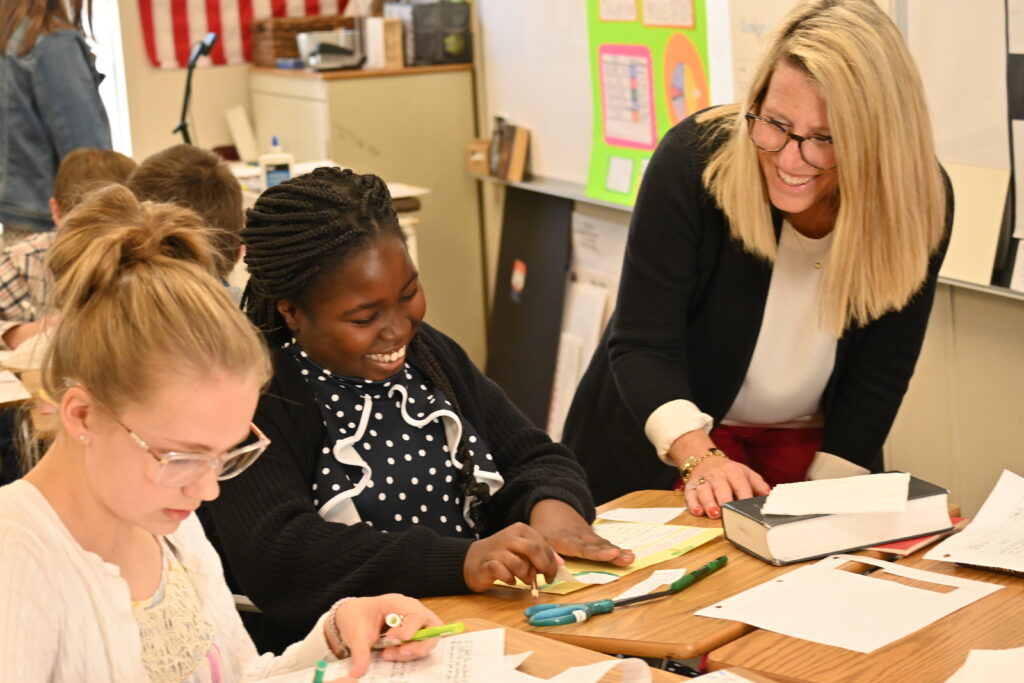
During your visit, pay attention to how teachers interact with students. Observe whether students appear engaged, respectful, and attentive.
Notice the classroom culture. Consider whether the environment reflects the values and expectations you hope your child will experience.
Look beyond facilities and programs. The daily culture of a school reveals more than any marketing materials can communicate.
Understanding Educational Philosophy
A school’s philosophy shapes everything from curriculum decisions to classroom expectations. Understanding that philosophy helps families determine whether the school is the right fit.
StoneBridge’s principled education model is rooted in the belief that biblical truth should guide every aspect of learning. This approach seeks to develop both academic competence and Christian character. When evaluating schools, consider whether their educational philosophy aligns with your family’s values and long-term goals.
Understanding the Transition Process
Once you’ve chosen to make the switch, preparation creates a smoother experience for your child.
Preparing Your Child Emotionally
Open communication is essential during a school transition. Encourage your child to ask questions and express concerns about the change.
Focus on both the opportunities and challenges ahead. Honest conversations help children feel more confident and supported throughout the process.
Navigating Admissions and Placement
Private school admissions processes include applications, records reviews, testing, interviews, or campus visits. These steps help schools determine how to best support each student.
While the process feels unfamiliar at first, admissions teams are typically available to guide families through each stage. Taking time to understand expectations early reduces stress and improves the overall experience.
Supporting a Successful Adjustment
Every student adjusts at a different pace. Some children settle in quickly, while others may need additional time to become comfortable. Parents can support the transition by maintaining open communication, encouraging participation, and celebrating small successes along the way.
Patience and consistency often play an important role during the first months in a new school environment.
The Long-Term Benefits of a Christian Private School Education
The impact of education extends far beyond a single school year. Parents are ultimately investing in who their children will become as adults. Christian private schools seek to prepare students academically while helping them develop strong convictions, sound judgment, and a biblical worldview.
At StoneBridge, students are challenged to pursue excellence while remaining grounded in truth. Through rigorous academics, meaningful relationships, and intentional spiritual formation, families gain a trusted partner in their child’s development.
The decision to move from public to private school is significant. As you evaluate your options, look beyond class sizes and curriculum guides.
Consider the environment where your child will spend thousands of hours learning, growing, and forming lifelong habits. The right school can reinforce your family’s values, strengthen your child’s faith, and prepare them for college, career, and life.
If you’re exploring whether Christian education is the right fit for your family, we invite you to schedule a tour and experience StoneBridge School firsthand.
Schedule a Tour
If you are considering whether now is the right time to make a change, we invite you to schedule a tour and discover how StoneBridge School can support your child’s future.